Why will property prices never go down?
Pina Brandi •
Will the next generations be able to buy property in the future
Many people think that by waiting for the right time they will be able to snatch a bargain
Unfortunately what they don’t take into consideration is the fact that the bargain they want is not actually the house they want to live in at the location they want and doesn't even tick the boxes they need the property to tick.
But Hope is what keeps them from reality and stops them from moving forward.
How would you feel if you had purchased a home and the price of your home went down by 20, 30 or even 50%?
So why do you expect this to happen to other people’s homes so YOU can get into the market at a good price?

Just five months after reaching $8 trillion in value, CoreLogic has announced its estimate of the total value of residential real estate in Australia has surpassed a new record of $9.1 trillion.
What you need to remember is the longer you wait to do something with your money the least your money will be able to buy.
So ask yourself again what if instead of buying my dream home I don’t start investing my money in assets that will go up in value with time and will pay me an income and eventually I will be able to achieve my dream home.
Meanwhile… Rent your dream home and enjoy Life!
If you need someone to help you brainstorm and find the best option for you please get in tough with our Team at PB Property.
news & insights

Melbourne's Greenfields Are Booming — Here's Where
By Pina Brandi •
On the outer edges of Melbourne, entire suburbs are being built from paddocks in a handful of years. Buy a new house and land package in the right one, and you get the growth and the tax office on your side at the same time.
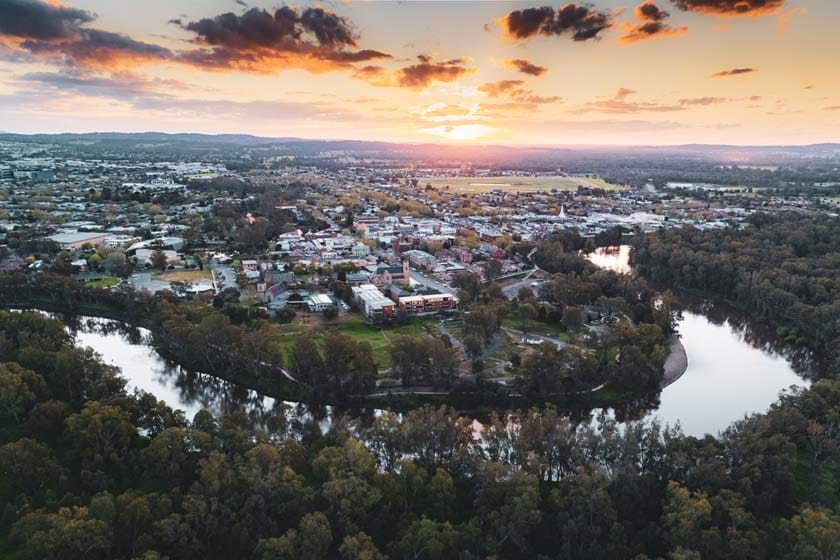
Regional Property Markets 2026: Why These 10 Towns Are Crushing Capital Cities for Investment
By Pina Brandi •
Discover the top 10 regional property markets in Australia outperforming Sydney and Melbourne. Get investment tips, price forecasts, and expert guidance for 2026.
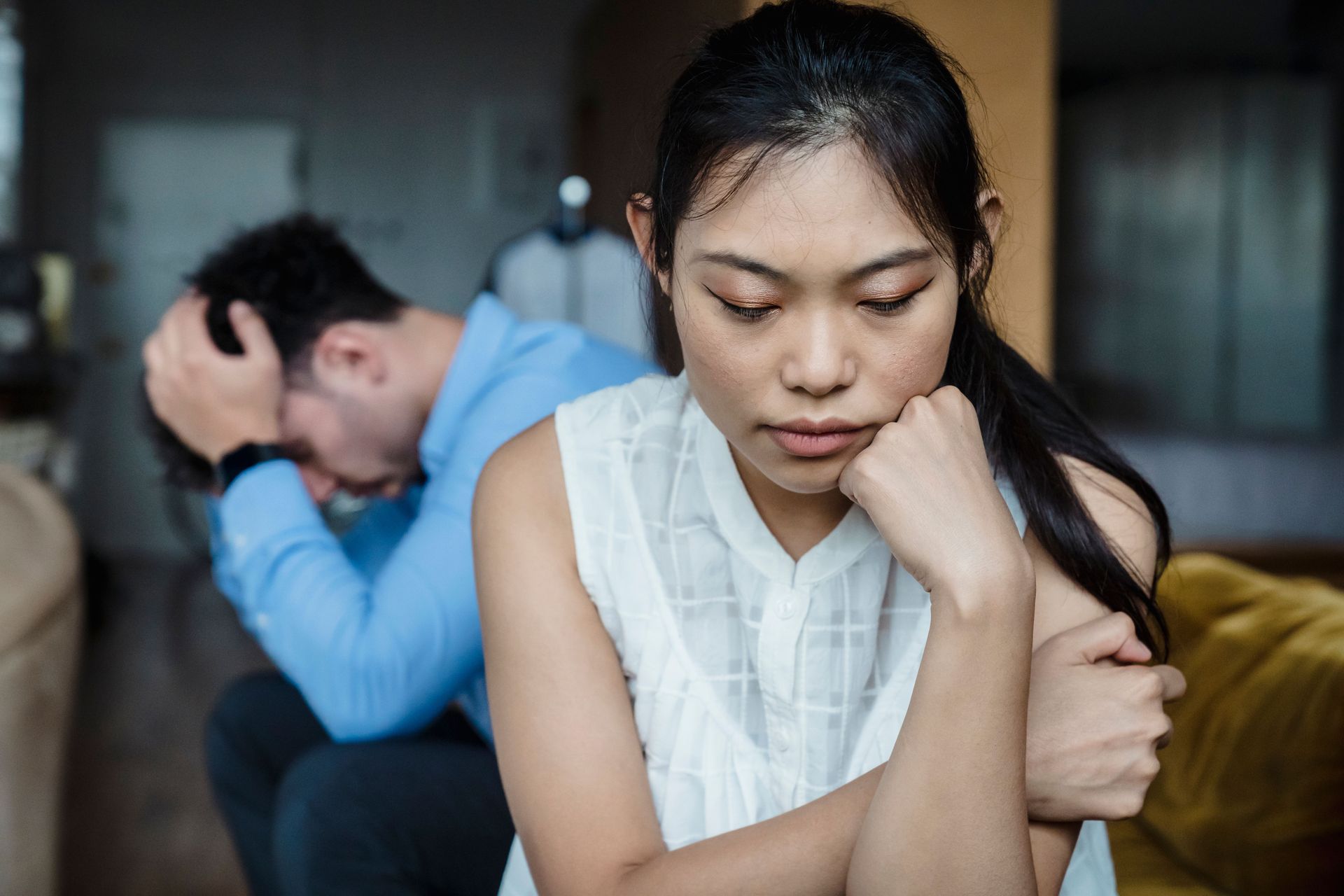
Why So Many Young Australians Think Home Ownership Is Out of Reach
By Pina Brandi •
For many Australians, owning a home was once seen as a milestone that almost everyone could achieve with hard work, patience and careful saving.