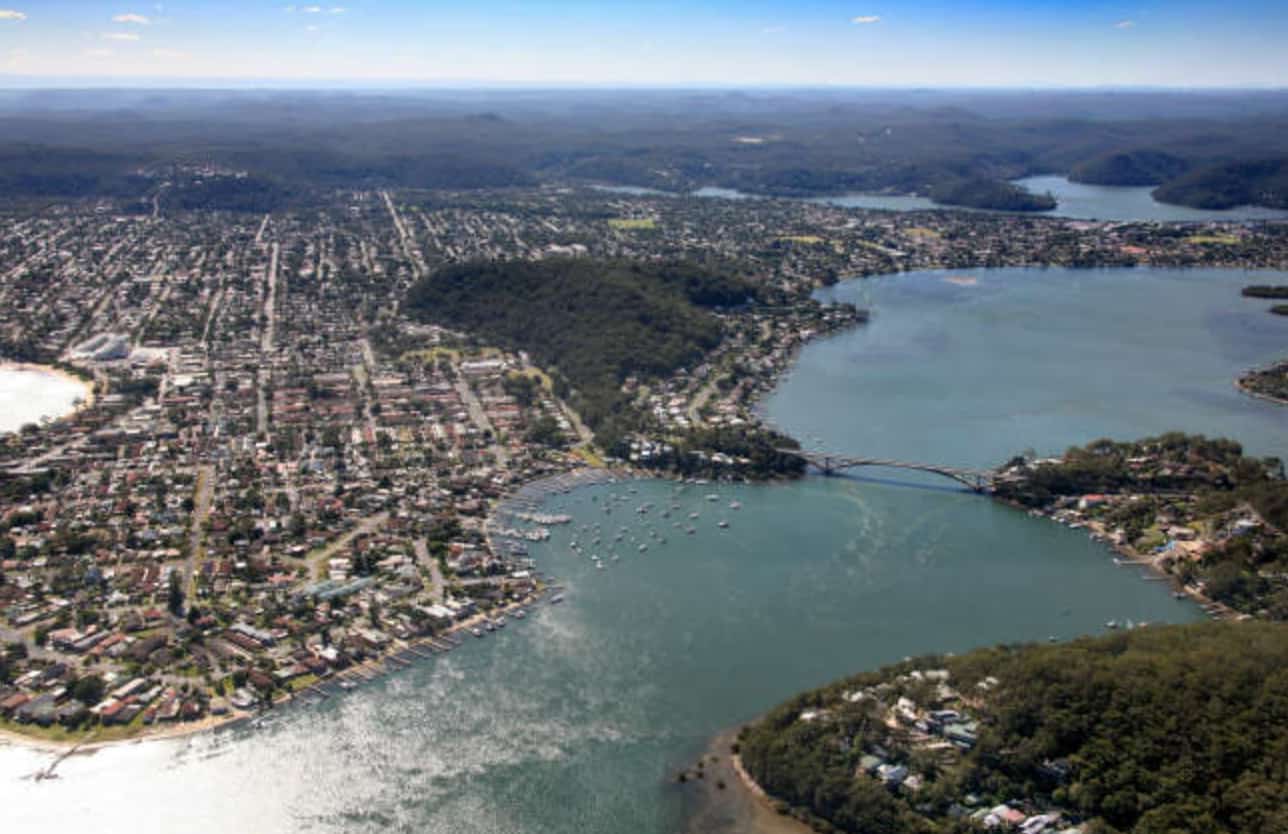
What to look for before buying in a suburb?
Pina Brandi • December 17, 2021

Do not overthink too much

When it comes to property investing a lot of people are scared of buying new apartments or even in new estates

.

The reason why they are scared is because they don’t know what to look for in that market.


I thought I’d share with you some insights of what to look for when considering a purchase

1. Sales history in the suburb


Check on the SOLD tab of Real Estate to see how much are people paying now for a similar property and see what’s the X factor of the property you are considering to buy.

2. Day on the market


Check how fast are the property selling and the supply and demand of the suburb. You want to make sure there is a reason why people are buying and moving there. Schools, amenities and Transport are usually very strong indicators and even when a suburb is changing from Industrial to residential.

3. Ratio to Owners to Investors


When buying on a new building or estate check with the sales agent how many of those buying are Owners and how many are investors. A market that has a lot of Owner occupiers is usually a stable place to buy into.


4. How much people earn

Use the latest data to see what is the average household income in that suburb to better understand what sort of demographic it will be attracting and what type of growth could potentially happen.


At the end of the day it’s alway best to engage a professional to help you during this process as most of the time they will do all this research for you and advise on the quality of the project.


We love helping people take informed decisions at PB Property so please do not hesitate to contact us.
share to

By Pina Brandi December 1, 2025
Melrose Park’s transformation from an industrial precinct into a residential and mixed-use community has been a strategically significant shift for Sydney’s urban future. Historically, the area was home to pharmaceutical and light-industrial operations, but over time these industries declined, consolidated elsewhere, or simply outgrew the outdated warehouses and fragmented road layout. Keeping the land zoned industrial would have meant under-utilising a large, strategically located pocket of Sydney at a time when housing demand is at critical levels. Redeveloping Melrose Park allows Sydney to introduce thousands of new homes in an inner-suburban area without pushing growth further to the city’s outskirts. With capacity for around 10,000–11,000 dwellings, plus retail, open space, a new high school and community facilities, the precinct is envisioned as a self-contained, modern neighbourhood with liveability at its core. Instead of being an isolated residential pocket, Melrose Park is being planned as a walkable, amenity-rich town centre where green spaces, urban parks, and mixed-use buildings form a cohesive and sustainable environment. Its location is one of its strongest advantages. Positioned on the Parramatta River, the suburb sits almost exactly halfway between Sydney CBD and Parramatta CBD, making it highly attractive for commuters who want balance, convenience and lifestyle. It is minutes from major employment hubs, established transport corridors like Victoria Road, and future connections that will further integrate the precinct into Sydney’s broader network. The land parcel is also unusually large and contiguous for an inner-suburban area, enabling a full masterplan rather than piecemeal development.  Overall, the shift from industrial to residential in Melrose Park wasn’t just a rezoning exercise; it was a strategic realignment of land use to meet Sydney’s changing economic, demographic, and lifestyle needs. Its prime location ensures the precinct will continue to attract demand, support growth, and deliver long-term value for residents and investors alike.
By Pina Brandi November 29, 2025
APRA has been explicit that the DTI cap is a financial‑stability tool, but it is deliberately designed not to choke off finance for new housing supply
By Pina Brandi November 25, 2025
If you’re searching for a property market that balances affordability, stability, and genuine long-term potential, Colac should be firmly on your radar. This regional hub positioned between Geelong, the Great Ocean Road, and the Western District s one of Victoria’s most economically diverse and quietly resilient cities. While many regional centres rely heavily on one dominant industry, Colac spreads its strength across manufacturing, agriculture, health care, tourism, and education. That diversity alone creates a foundation for steady employment, population growth, and a solid housing market three ingredients every smart investor looks for. With a median house price around $470,000 , a 0.5% vacancy rate , and a 49% increase in values over the last five years , Colac offers an impressive combination of affordability and upward momentum. Let’s break down why this unassuming regional city is becoming such a compelling place to invest or buy your first home. 
Show More