You really want to buy an apartment but don't know where to start? With all the bad news should you buy an old one or a new one? What to look for? Here is the one page you need for your next apartment shopping.
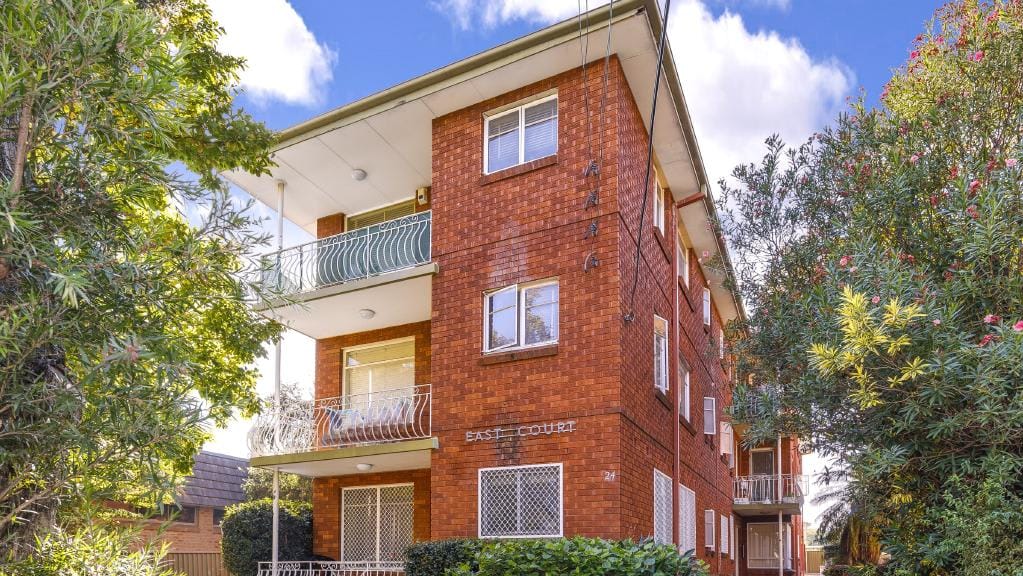
But unlike buying a house, apartments come with unique considerations that many buyers overlook. Making the wrong decision can cost you thousands of dollars—not just today, but for years to come.
There are online tools that can tell you, in a few minutes, whether a specific apartment is priced fairly, underpriced, or overpriced for what it actually is — and almost nobody uses them properly.
Even with the right tool in front of you, a price range isn't the same as knowing where a specific apartment actually sits within that range. Two units in the same building can be worth very different amounts once you account for floor level, aspect, noise, and layout — and a generic online estimate won't make that distinction for you. That's usually the gap between "I checked a website" and knowing you're not overpaying.
In this video I show you exactly which tools I use and how I read the numbers, so you're not just trusting the agent's word for it.
Every established apartment has a resale and price-growth history you can pull up, and it often tells a very different story to the one in the listing.
A string of quick resales in a building can mean strong demand — or it can mean owners are trying to get out before something surfaces. A long stretch with no sales at all tells its own story too. Reading that pattern correctly, rather than just seeing that "prices went up," is the difference between history that reassures you and history that should make you ask more questions.
This video walks through how to look up 20 years of price and resale history for a specific unit or building, and what's actually worth paying attention to in that data.
This is the video I'd ask you not to skip.
More apartment purchases go wrong because of strata than almost anything else — special levies buyers didn't see coming, poorly managed buildings, disputes between owners, or a strata report that got a quick skim instead of a proper read. Most buyers don't actually know what strata covers, let alone how to tell a well-run scheme from a problem waiting to happen.
Reading a strata report properly takes practice — knowing which line items are routine maintenance and which ones are early signs of a special levy heading your way isn't something most people do more than once or twice in a lifetime. If you're already looking at a specific building, that's exactly the kind of thing worth a second set of eyes before you sign anything.
Most buyers either skip them under time pressure, or get them done and have no real way to judge whether what's in the report is a minor note or a genuine problem.
A report will tell you what's wrong. It won't always tell you what it actually costs to put right, or whether it's a fair reason to go back to the seller and renegotiate. Knowing how to use a report at the negotiating table — not just read it — is usually where the real value shows up.
This video breaks down what each report should cover, and the specific red flags that should make you stop and ask more questions before you proceed.
The right answer also depends on things a generic pros-and-cons list can't account for — your finance structure, how long you actually plan to hold, and what's realistically available in the market right now. It's less a rule to apply and more a decision worth making with the full picture in front of you.
This video walks through how to actually weigh that decision for your situation, not just the generic pros-and-cons list you'll find everywhere else.
I've put the exact checks from these five videos into a single one-page checklist: price, history, strata, due diligence, and old vs new, all in one place. Enter your details below and I'll send it straight over.

These five videos cover the process I run through on every apartment purchase — but applying it to one real apartment, one real strata report, one real inspection result, is where it actually gets useful. If you're currently weighing up a specific unit, or just want a second opinion before you make an offer, book a free call and we'll go through it together.