Hidden Central Coast Location
Pina Brandi •
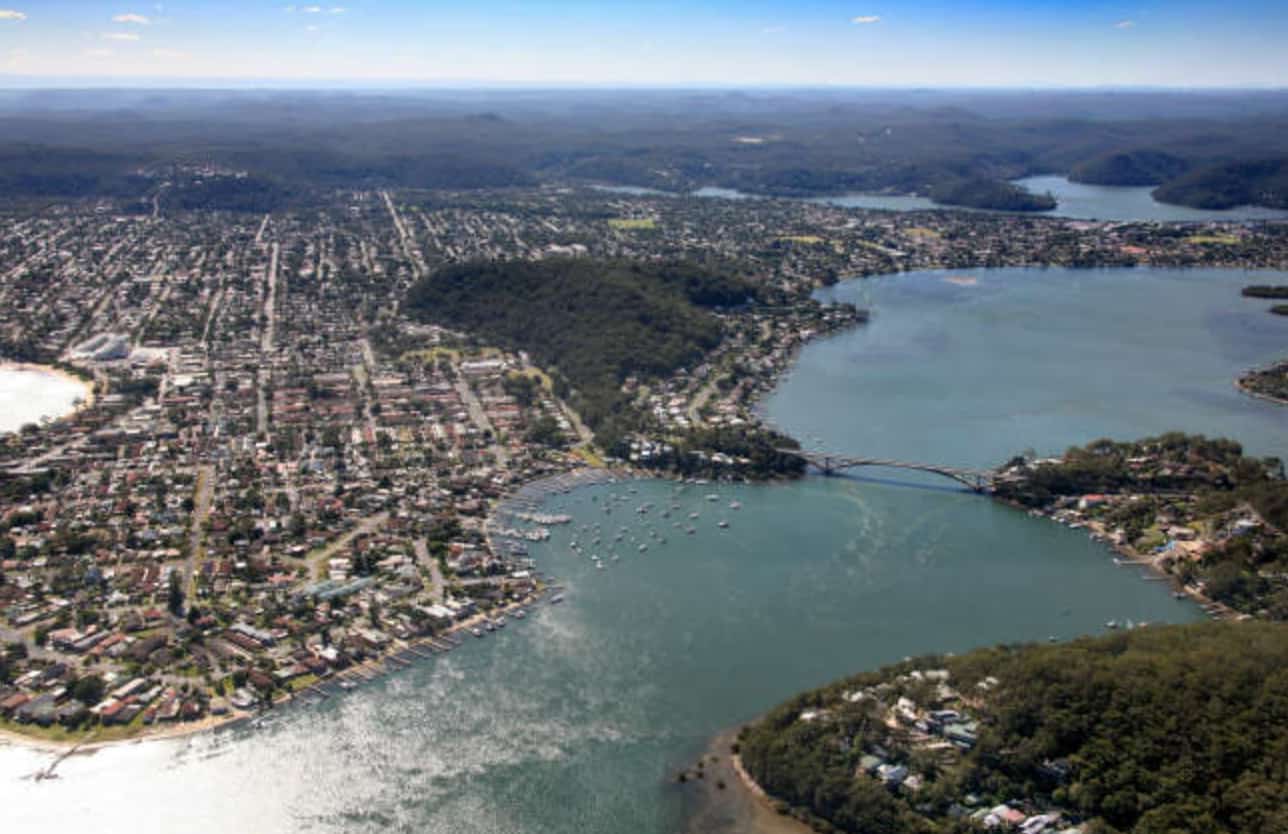
Where is Wyee and who lives there?
Wyee sits in the Lake Macquarie LGA, roughly midway between Sydney and Newcastle, with direct access to the M1 and its own train station on the Central Coast & Newcastle Line. That combination makes it particularly attractive to buyers who are priced out of Sydney but still want realistic commuting options and strong employment access.
The demographic mix is a blend of young families, trades and blue‑collar workers, and long‑term locals who’ve been in the area for decades. You’ll find a growing number of owner‑occupiers moving in from western Sydney and the Central Coast chasing more space, a quieter pace, and the ability to own a home with a yard rather than a unit or townhouse. At the same time, investors are slowly increasing their footprint as they notice the capital growth and tight rental conditions across the Lake Macquarie corridor.
The feel of Wyee is still semi‑rural and community‑oriented: wider streets, larger blocks, and a sense of space you simply don’t get closer to the city. That lifestyle appeal is a big part of the demand story, especially for families and downsizers who want something more relaxed without leaving major services too far behind.
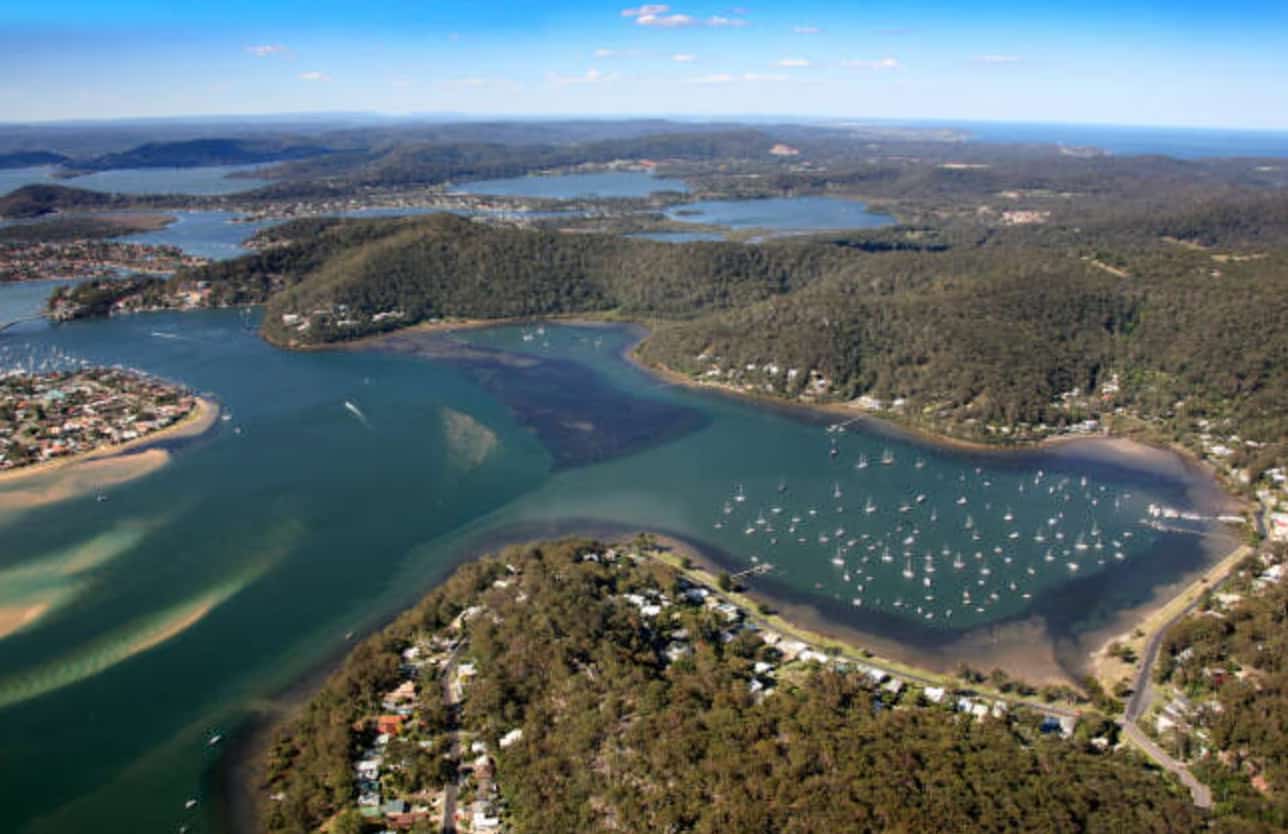
Economic drivers and why they matter
Wyee benefits from being plugged into multiple economic engines rather than relying on just one industry. To the north and south, Newcastle and the Central Coast provide major employment centres in health, education, logistics, construction, defence and energy. The broader Hunter and Lake Macquarie regions are also seeing ongoing investment in infrastructure, renewable energy, industrial estates and logistics hubs, which supports long‑term job creation.
For residents, that means a realistic ability to live in Wyee and work in:
Newcastle CBD and port‑related industries
Central Coast health and education precincts
Logistics and industrial jobs along the M1 corridor
Construction and trades supporting ongoing residential and commercial development
Locally, Wyee’s town centre is slowly evolving too, with retail, medical and everyday services expanding to meet the needs of a growing population. And because Wyee sits in a recognised growth corridor, new estates and infrastructure spend tend to be funnelled into and around the area. For an investor, this combination of regional economic diversity plus local amenity growth creates a stronger story for long‑term demand and resilience.
Why 2027 could be a good entry point
By 2027, interest rates, construction costs and supply pipelines are likely to have shifted from today’s settings. Many of the estates that are now being marketed or built will be further progressed, and the town’s profile will be more established in buyers’ minds. For investors, that can be a sweet spot: you’re no longer in the absolute “early adopters” phase, but you’re still getting in ahead of full maturity.
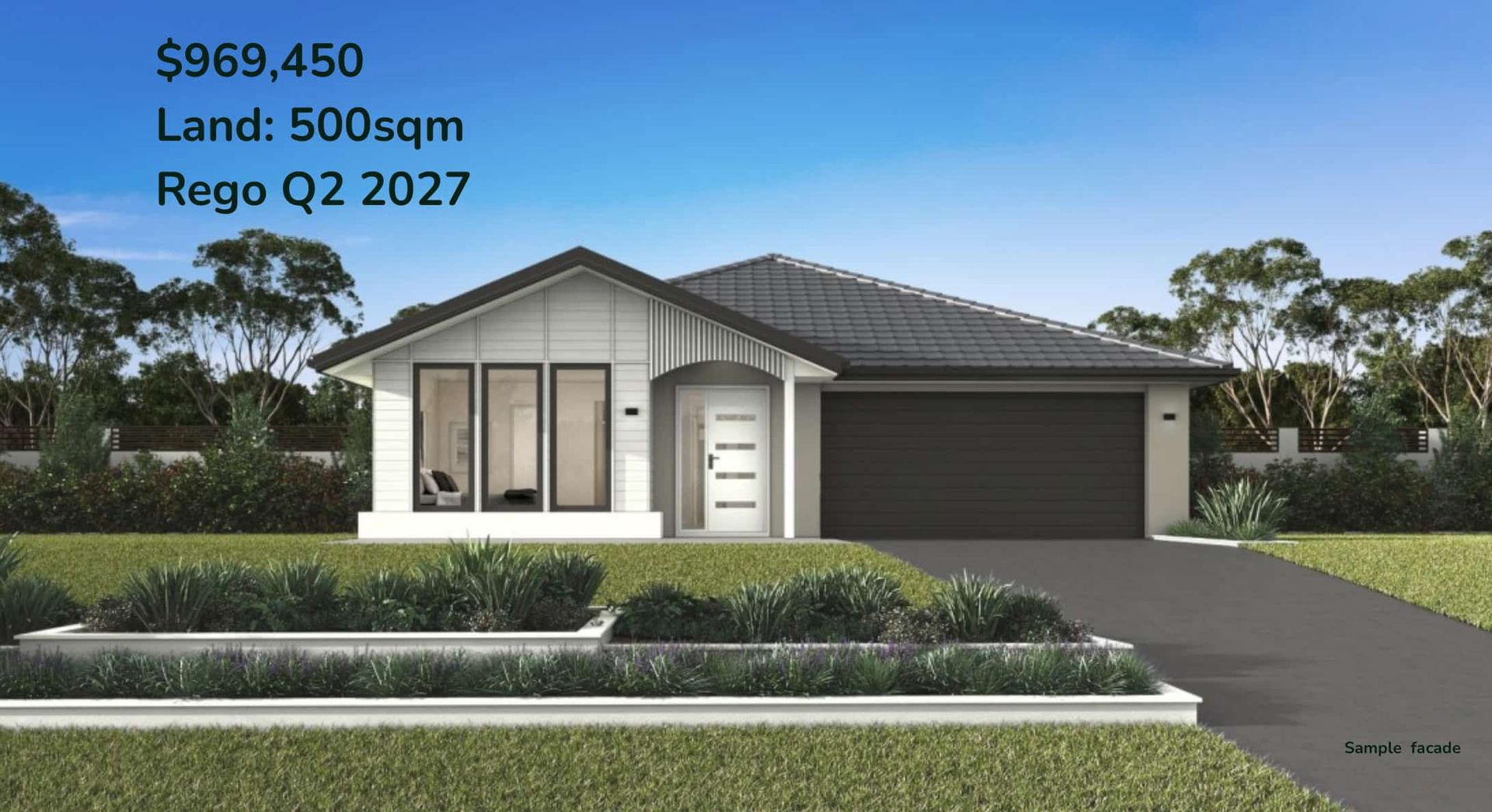
A few reasons 2027 stands out as a potential buying window
Infrastructure timing: Upgrades to local services, roads and centres tend to show up in valuations a few years after they’re announced and commenced. Entering around that mid‑cycle point lets you benefit from the uplift as infrastructure is delivered.
Population momentum: Migration from Sydney and other higher‑priced markets doesn’t turn on and off overnight. As affordability pressures continue, buyers and tenants increasingly look to places like Wyee, creating a steady demand pipeline.
More product choice: By 2027, more stages of current estates should be completed, providing a wider selection of house‑and‑land packages and dual occupancies – often with developers more willing to negotiate as supply normalises.
The big picture: why Wyee has a “high‑spirited” story
If you zoom out, Wyee’s story is one of transition and opportunity. It’s evolving from a quiet, semi‑rural locality into a connected residential hub, with:
- Strong lifestyle appeal – space, greenery, proximity to the lake and beaches
- Improving infrastructure and amenities
- Access to multiple employment centres along the Sydney–Newcastle corridor
- A growing base of families and owner‑occupiers who underpin long‑term stability
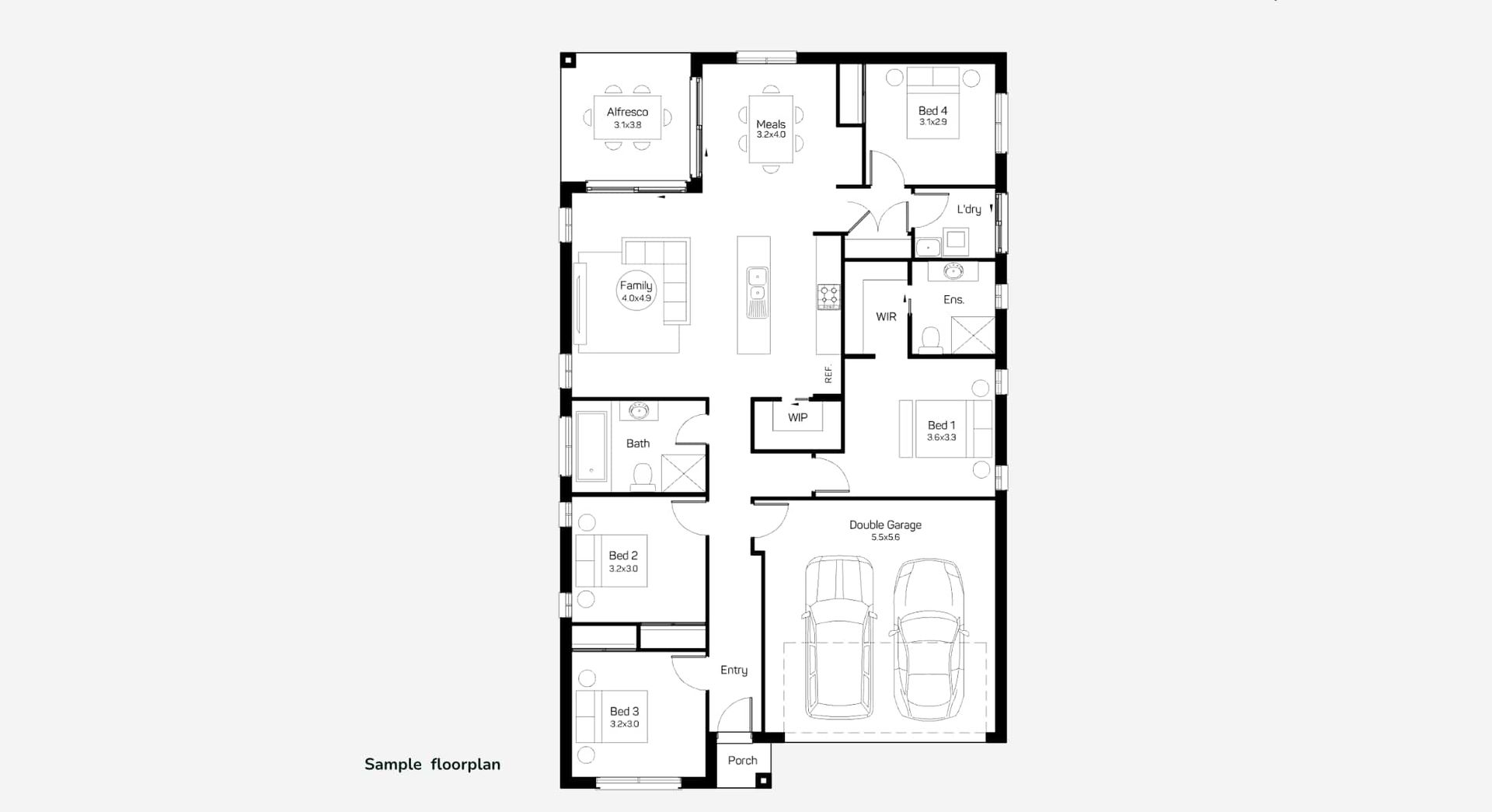
For 2027, an investor targeting house‑and‑land under 1 million dollars or dual occupancy under 1.1 million dollars can tap into this growth narrative while still maintaining relative affordability compared with inner‑metro markets. For a portfolio, Wyee can play the role of a lifestyle‑driven growth corridor asset – something that offers both liveability and investment fundamentals.
As always, due diligence is essential: verify current price points, rental demand, vacancy, and council controls on dual occupancies. But if you’re looking for a market with a positive energy, real community growth and solid fundamentals rather than hype alone, Wyee deserves a serious look for 2027 and beyond.
Interested? Get in touch!
news & insights

Melbourne's Greenfields Are Booming — Here's Where
By Pina Brandi •
On the outer edges of Melbourne, entire suburbs are being built from paddocks in a handful of years. Buy a new house and land package in the right one, and you get the growth and the tax office on your side at the same time.
Regional Property Markets 2026: Why These 10 Towns Are Crushing Capital Cities for Investment
By Pina Brandi •
Discover the top 10 regional property markets in Australia outperforming Sydney and Melbourne. Get investment tips, price forecasts, and expert guidance for 2026.

Why So Many Young Australians Think Home Ownership Is Out of Reach
By Pina Brandi •
For many Australians, owning a home was once seen as a milestone that almost everyone could achieve with hard work, patience and careful saving.